



Bookkeeping for Small Business
Outsourced bookkeeping for US small businesses, DTC brands and ecommerce companies. Dedicated bookkeepers manage your daily transactions, reconcile every bank, card and loan account each month, and close the books on a calendar agreed with you. Pricing is set per client after a short call, and many clients are fully running within two to four weeks.









Who outsourced bookkeeping is for
Our bookkeeping is built for businesses that have outgrown a spreadsheet and a year-end visit to the accountant, but do not yet need a full in-house finance team. Most are founder-led brands selling online through Shopify, Amazon or their own site, with payouts arriving from several processors and inventory to account for.
The work is done by dedicated bookkeepers who learn your chart of accounts and your sales channels, with a three-stage quality check on every close. Your accountant or tax preparer gets clean, reconciled books at month end, and you get numbers you can read without asking for them twice. For controller, payables and close work beyond the books, see our finance and accounting services. For brands selling across several channels, see our bookkeeping for ecommerce brands and Shopify and Amazon seller accounting.
What happens through the month, and when it closes
Scope follows what is in the books, not a headcount, and the month-end close is the checkpoint where everything is tied out. Our clients’ books are typically closed by business day 6, and the close calendar is agreed with you at onboarding, so you know the date your statements will arrive.
Through the month: code new transactions, match receipts, enter bills, record payouts from each sales channel, and flag anything that needs your answer.
Month end: reconcile every bank, card, loan and processor account, post accruals and prepayments, and update inventory and cost of goods sold where held.
Close: review the trial balance, run the three-stage quality check, and issue the profit and loss, balance sheet and cash flow.
After the close: a review call on the month’s numbers, variances and cash position, and a list of open questions for the next cycle.
For reference, APQC’s benchmark of 2,300 organizations found the median business needs 6.4 calendar days to close the month, measured from running the trial balance to finished statements, with the fastest quarter closing in 4.8 days or less. A clean routine through the month is what keeps a small business at the fast end of that range.
What We Offer: Outsourced Bookkeeping Services Built For Growing Small Businesses

Daily Transaction Processing
Every sale, expense, bill and bank movement is coded to the right account, with receipts matched. Accounts payable and receivable are kept current, so you always know who you owe and who owes you.

Monthly Reconciliations and Reporting
Every bank, credit card and loan account is reconciled each month. You receive a profit and loss statement, a balance sheet and a cash flow view, kept tax-ready throughout the year.

AI-Assisted Categorization
Automation suggests the category for routine transactions and flags anything unusual. A bookkeeper reviews every suggestion before it posts, so the speed comes from the software and the judgment from a person.

Payout and Marketplace Reconciliation
Shopify, Amazon, Stripe and PayPal payouts arrive net of fees, refunds and chargebacks. We split each payout back into gross sales, fees and returns, so revenue in the books matches revenue in the store.

Setup, Cleanup and Catch-Up
We set up or tidy the chart of accounts, connect your bank feeds and sales channels, and bring months of backlog up to date before the regular cycle starts.

Monthly Review and Advisory
A monthly review call walks through the numbers, the variances against last month and your budget, and a short cash flow forecast.
How It Works: Simple, Seamless, Effective
Onboard
We review your current books, accounts and tools, find the gaps, and agree the reports you want and when you want them.

Onboard
We review your current books, accounts and tools, find the gaps, and agree the reports you want and when you want them.

Transition
Your bookkeeper takes over the daily work, standardizes the chart of accounts, connects bank feeds and sales channels, and clears any backlog.
Transition
Your bookkeeper takes over the daily work, standardizes the chart of accounts, connects bank feeds and sales channels, and clears any backlog.
Operate and Optimize
Daily coding, monthly reconciliations and a monthly close on the agreed calendar, with a review call after each close.

Operate and Optimize
Daily coding, monthly reconciliations and a monthly close on the agreed calendar, with a review call after each close.

Scale
New channels, entities and markets are added to the scope as they arrive, without a gap in the books.
Scale
New channels, entities and markets are added to the scope as they arrive, without a gap in the books.
Bookkeeping Prices for Small Business: What to Expect
Hourly support
You pay for the hours worked, which suits low transaction volumes, seasonal peaks and businesses that want to try the service before committing to a monthly scope.
Monthly retainer
A fixed monthly fee for part-time or full-time bookkeeping, set by transaction volume, the number of accounts and sales channels, inventory, and the number of entities. The fee stays the same each month, so the cost of the books is predictable.
Project-based engagement
A fixed scope for a one-off job: cleaning up or catching up past months, moving to a new accounting platform, setting up a chart of accounts, or preparing the books for a tax filing or a raise.
Why Choose Atidiv as Your Small Business Bookkeeping Partner?
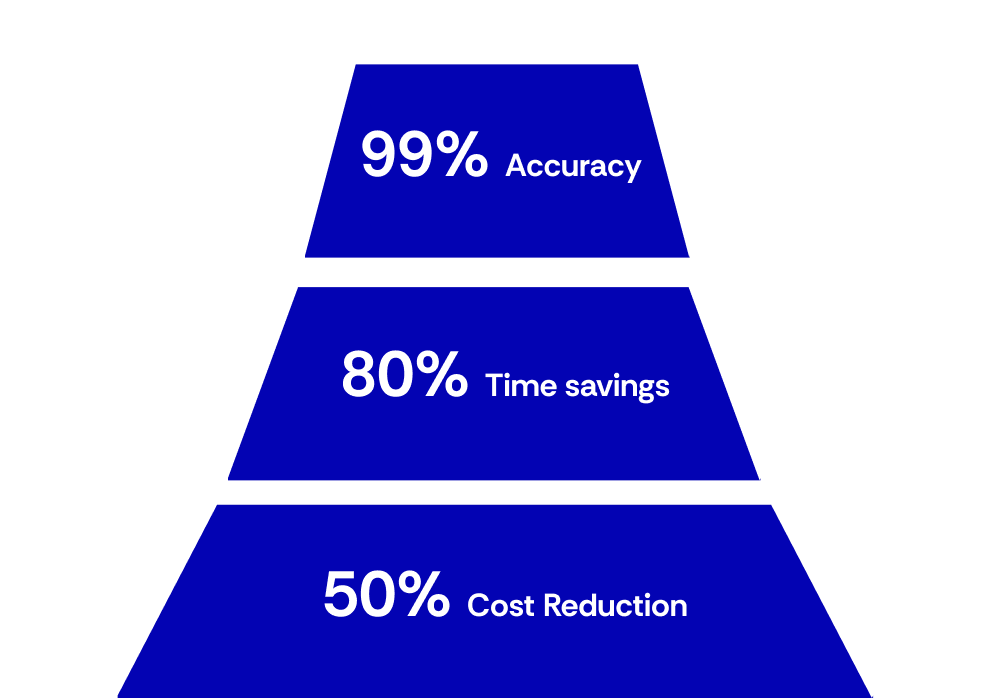
16+ years of finance and accounting work, with bookkeepers who work in the US small business and ecommerce books every day, and keep records ready for your tax preparer throughout the year.
A three-stage quality check on every close, dedicated bookkeepers who know your books, and 95% client retention.
Hourly, monthly or by project, and a scope that follows your volume rather than a fixed seat.
Automation for routine categorization and anomaly flags, with QuickBooks and Xero certified professionals reviewing every entry.
As you add channels, entities and markets, the scope grows with you and the books stay continuous.
The accounting platforms we work in





What every plan includes
Every plan includes transaction processing, bank and card reconciliations, monthly financial statements, AI-assisted categorization with human review, and a monthly review call. Growing brands add payout reconciliation by channel, bills and receivables, inventory and cost of goods sold, and accrual-basis reporting. Multi-entity businesses add consolidation, intercompany entries, multi-currency reconciliation, budgeting and a cash flow forecast.
For what bookkeeping costs across the US market, see our guide to average bookkeeping costs, or estimate your own numbers with the accounting automation ROI calculator.
What the service covers as your books grow
Getting started
What we handle: daily transaction coding, monthly bank and card reconciliation, a monthly profit and loss and balance sheet, and year-end handover to your tax preparer.
Growing brand
What we handle: everything above, plus payout reconciliation by channel, bills and receivables, inventory and cost of goods sold, and accrual adjustments so each month shows what was earned in it.
Multi-entity or pre-raise
What we handle: everything above, plus intercompany entries, consolidation, multi-currency reconciliation, budget against actual reporting and a cash flow forecast.
Case Study: Transforming Bookkeeping with Automation


Challenge
Delayed monthly closure, poor bookkeeping accuracy, and lack of inventory accounting led to inefficiencies and reporting delays.

Solution
Atidiv brought in AI for bookkeeping, set coding standards, and laid out a structured month-end process. Our team added inventory controls, automated reconciliations, and set up real-time reporting dashboards. This boost improved accuracy, cut down on manual work, and sped up monthly closings.

Every business is different. Get a proposal built for yours.
Frequently Asked Questions on Outsourced Bookkeeping
An in-house hire brings a salary, benefits, recruiting, training, software and the risk of turnover. Outsourced bookkeepers give you experienced, specialized support for the hours your books need, from the first week. The fixed costs of employment disappear, which is why outsourcing usually costs less. In-house does give closer day-to-day control and quicker coordination with other teams, and outsourcing takes some time at the start to teach the provider your processes. Growth stage, transaction volume, budget and the finance skill already in-house decide which fits.
Three ways: hourly, a fixed monthly retainer set by volume, accounts, channels and entities, or a fixed price for a one-off project such as a cleanup or a platform move. Providers who also run controller work often price it the same way, with the tier rising as transaction volume or scope grows.
We follow strict data-protection practices, work on secure cloud platforms and keep access controlled, so only the people working on your books can reach them. Every close goes through a three-stage quality check before it reaches you.
There is no hard cut-off. If you have ongoing sales, expenses, bills and bank transactions and need monthly reconciliations and reporting, the service applies. What changes with volume is the scope: one channel and no inventory is the simplest tier, and several channels, inventory or entities move you up.
Automation suggests categories for routine transactions, matches receipts and flags anything unusual. A bookkeeper reviews and approves every entry before it posts. You get the speed of the software and the judgment of a person.
Many clients are fully running within two to four weeks of onboarding. Cleaning up or catching up past months can extend that, depending on how far behind the books are.
We add the entity to the scope, connect its accounts and sales channels, standardize its chart of accounts against yours, and adjust the plan. The monthly close carries on without a gap.
Bookkeeping records and reconciles transactions and produces the monthly statements. Accounting goes further into analysis, tax planning, forecasting and advice. Our bookkeeping is built to fit alongside your accountant or tax preparer, and our finance and accounting team covers the wider work when you need it.
The difference is when income and expenses are recorded, as our guide to cash basis vs accrual bookkeeping explains in full. Cash accounting records them when money is received or paid. Accrual accounting records revenue when it is earned and expenses when they are incurred, whatever the payment date. Accrual shows money you are owed and bills you have not yet paid, which gives a more complete picture of how the business is actually doing.
Usually accrual. It matches each month’s revenue with the costs of earning it, so margins and growth trends are real rather than a reflection of when cash happened to move. Under cash accounting, a month with a large inventory purchase can look like a loss and a month of collections can look like a record, which misleads anyone making decisions from the numbers.
It changes reported revenue, expenses, profit and working capital. Investors, lenders and boards generally expect accrual-based statements, because they show growth, margins and obligations in the period they belong to. A brand planning to raise money or borrow usually moves to accrual first.
Under cash accounting, subscription revenue is recorded when the payment arrives, so an annual plan paid upfront lands in a single month. Under accrual accounting, it is recognized as the service is delivered over the term, and the unearned part sits on the balance sheet until then. Accrual avoids overstating revenue in the month of collection and shows recurring revenue as it really runs.
Inventory is recorded as an asset when bought and becomes cost of goods sold when the product is sold, so each sale is matched with its cost and gross margin is accurate by month and by product. That makes slow-moving stock and weak product lines visible. Connecting the inventory system to the accounting and ecommerce platforms keeps purchases, sales, returns and adjustments current, and a periodic count catches valuation errors before they reach the margin.
Cash basis lets a sole proprietor or small company manage the timing of taxable income, for example by paying deductible expenses before year end. The drawbacks are uneven profits from year to year and a less complete view of what the business owes and is owed. Larger businesses may not be allowed to use it: IRS Publication 538 sets a gross receipts test, indexed for inflation, and rules for businesses that hold inventory. Multi-state businesses usually find accrual records easier to keep consistent across jurisdictions.
The books need to start tracking what was not tracked before: receivables, payables, inventory, accrued expenses and deferred revenue. That means opening balances for each, new month-end steps and often a change of accounting setup. Your tax preparer should be involved, because changing the method used on a tax return generally needs IRS approval, requested on Form 3115 according to IRS Publication 538.
Cloud accounting software runs online rather than on a local computer or company server. Your team and your bookkeeper see the same live numbers from anywhere. Bank feeds sync transactions automatically, and the software connects to ecommerce platforms, payment processors and other business tools, which desktop software handles with manual imports.
Real-time data from anywhere, no local servers to maintain, easier collaboration with outside advisors, and a system that scales as sales channels and volume grow. The return comes from less manual data entry, faster month-end closes and room to grow without adding finance headcount at the same rate. It varies with how manual your current process is, so measure hours spent and days to close before and after.
Budget for implementation, data migration, integrations with your other systems, user training, customization and ongoing support. Add-on modules, extra user licenses and API usage can raise the cost as the business grows. Counting these upfront gives the true total cost of ownership.
Map current processes first, then clean and validate historical data before it moves. Connect and test the integrations with sales channels, banks, payment processors and inventory, run the old and new systems side by side for a period, and train the team. The common problems are integrations that do not sync in real time, duplicated or lost data during migration, mismatched formats between systems, and teams slow to adopt the new tools.
Transactions arrive automatically from sales channels, payment gateways, bank feeds and inventory systems, so there is less manual entry and fewer keying errors. Dashboards show revenue, expenses and cash as they stand, and reconciliation and the month-end close get shorter.
Automatic exchange rate updates, invoicing in several currencies, reconciliation of foreign bank accounts, consolidated reporting across currencies, and calculation of gains and losses from currency movement. It should also handle international tax rules and connect to the payment gateways you sell through.
It depends on complexity. QuickBooks and Xero serve most small and growing brands well. Multi-entity businesses with heavy volume or subscription revenue often move to a platform such as NetSuite or Sage. Whichever you pick, check that it integrates with Shopify, Amazon, Stripe, your inventory system and your tax tools, and with your subscription billing if you have it. We work in QuickBooks, Xero, NetSuite, Sage, FreshBooks and Zoho Books.
More than a password. Look for encryption, multi-factor authentication, role-based access, regular security audits, and compliance with standards such as SOC 1, ISO 27001 or GDPR where they apply. Automated backups, disaster recovery and an audit log of every user action matter as well.
It links customer interactions to what actually happened financially. Support and sales teams can see purchase history, payment status, refunds, credits and balances in one place, which makes answers more accurate. Finance and marketing see which customers are profitable and which are not.
Alongside the cost of the support team: refund rate, return costs, chargebacks, warranty costs, compensation given to customers, support cost per order, repeat purchase rate and customer lifetime value. Together they show whether spending on support is building long-term value.
Give customer acquisition, customer support, retention and loyalty, refunds, shipping and returns their own accounts rather than burying them in general operating expenses. Separated, each one’s effect on profit is visible month by month.
By reconciling the ecommerce platform, payment processor, inventory system and accounting software against each other, automatically where possible. Each refund should update revenue, inventory and the customer’s payment record at once. Net sales and margin are then accurate, and the month-end reconciliation does not pile up.
Different rules in each state, thresholds that change, and sales spread across several online channels. Since the 2018 Wayfair decision, states can require out-of-state sellers to collect sales tax once they pass a threshold of sales or transactions into the state, and those thresholds differ. Wrong product tax categories or incomplete transaction data lead to filing errors and penalties.
Clean books hold a reliable record of every order, payment, refund, chargeback and adjustment, so a support agent can confirm what happened in minutes rather than asking finance. Patterns in disputes also become visible, pointing to payment or fulfillment problems worth fixing before they cost more revenue.