


Atidiv’s proven BPO transition frameworks have delivered 80% time savings, 50% cost reduction, and 99% delivery accuracy for global clients.
The only consistent thing is change. It’s amazing how quickly technology evolves, with its updates, advancements, and how rapidly our money habits change. For Customer Experience and Operations leaders in D2C and consumer brands, adapting to this change in Business Process Outsourcing (BPO) transitions is critical for sustaining efficiency and customer satisfaction.
Despite most businesses attempting change, only about one-third of organizational change initiatives succeed. Why? Management strategies that fail to meet their goals are often due to poor organizational management. One way for successful planning and execution in an organization can happen with the help of a virtual assistant.
Atidiv’s proven frameworks and transition methodologies have helped clients achieve up to 80% time savings and 99% delivery accuracy — see how here.
BPO strikes a balance between client needs and internal resources. It is crucial to create new and effective management strategies. The first step in moving forward is to understand what change management looks like.
What is Change Management?
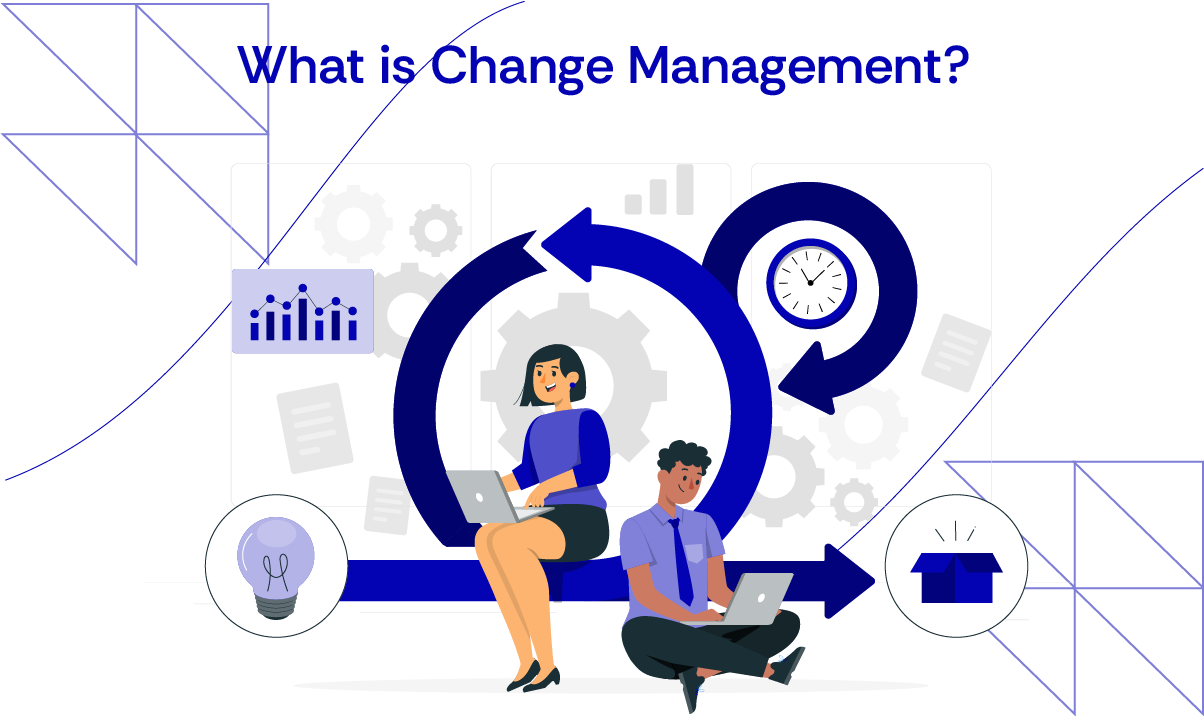
Change management is a structured approach to guiding organizational transformation — whether operational, technological, or cultural — to improve outcomes and minimize disruption. This typically involves three phases: Preparation, Implementation, and Follow-through.
Management of change is a term that describes any transitioning work processes, teams or technology between in-house and outsourced environments. This could be the person who manages the company’s department, technology infrastructure or internal processes. Changes in the organization and its structure include hiring new employees, merging or separating departments and changes in employee management.
The goal of change management strategies is to bring efficient change by maximizing the resources available and time to increase profits. It can be expensive if these changes are not planned and implemented on time. It is advisable for organizations to quickly implement changes if they have a plan to follow for an organizational approach.
Atidiv’s transition teams use a structured “Plan–Execute–Optimize” framework that minimizes downtime during BPO switches and maintains 95%+ quality standards — explore this case study.
Role of Technology in BPO Effective Change Management
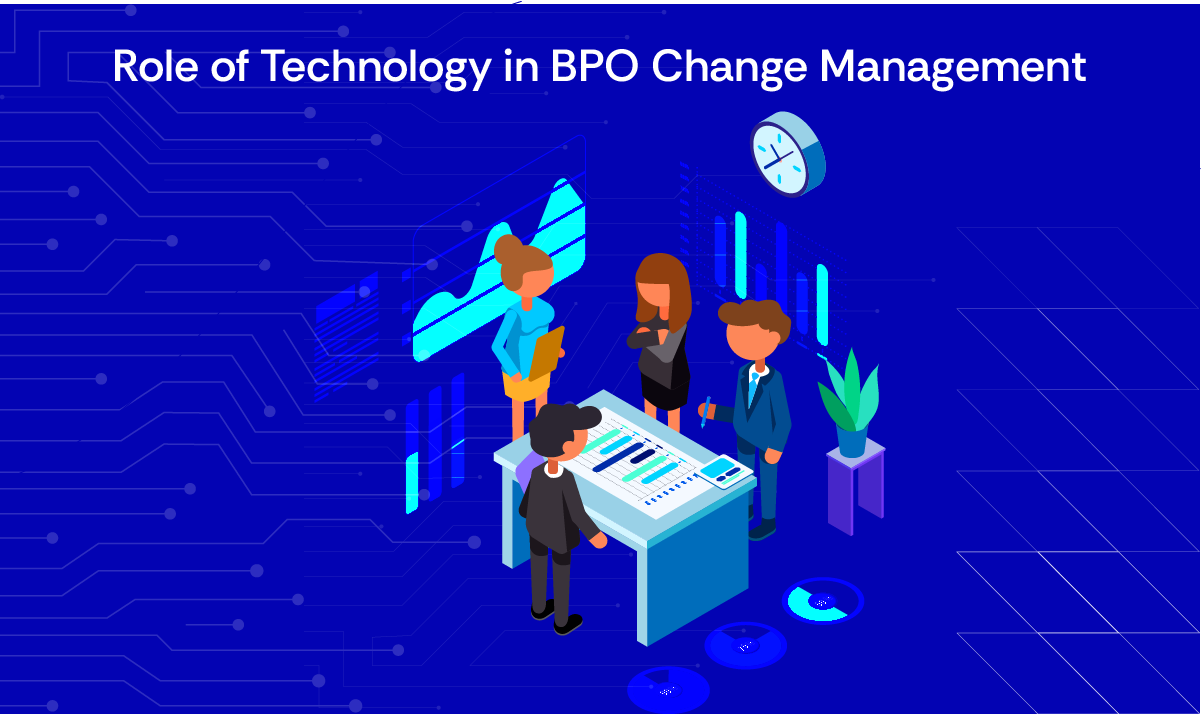
The role of technology in BPO is crucial and multifaceted. Technology acts as both a driver and enabler of change within BPO organizations. Key ways technology contributes to the change management process include:
- Data Analysis and Decision Making
- Training and Skill Development
- Change Management Tools and Platforms
By utilizing these tools and techniques, BPO can implement plans through a streamlined process with minimal disruptions and accelerate the adoption of new change.
Atidiv integrates AI-based monitoring and automation tools during BPO transitions, helping clients reduce operational friction and achieve measurable efficiency gains.
Effective Change Management Strategies
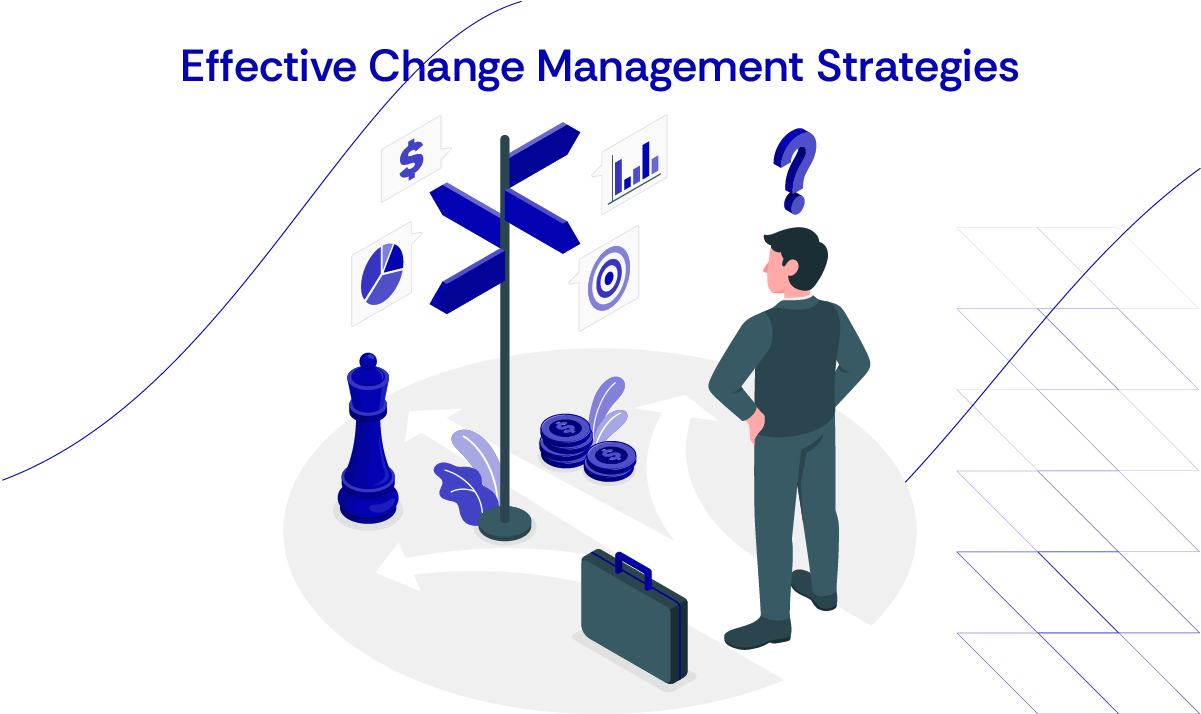
Although it is challenging for individuals to step out of their comfort zones, growth needs to come from outside the comfort zone. Any strategy that is to be performed should be inclusive. The board of directors and managers should be clear about the vision and communicate it to their employees. Here are the effective key management strategies every business should foster for the outsourcing process:
Strategy 1: Follow a People First Approach
Organizations don’t change — but people do. A BPO must understand that organizational change can occur only when every individual takes a step to alter their everyday work or tasks. As people are the ones who drive those changes, putting them first is essential.

Prosci is a well-known change management framework that brings change by managing the people’s side. This technique is used worldwide in global change management. This process can be broken into several different methods, but the major essential components are the PCT Model and ADKAR Model. Atidiv leverages the Prosci ADKAR model.
Strategy 2: Communicate the Change Effectively
Clearly identify why the change is happening, who is involved and what each person’s role is. Initially, employees and the organization should be aware of the benefits of change. Leaders must explain the “why”, “what” and “how” behind every BPO transition.
People should understand why they need the change and how it will make an impact in their company, employees, customers and constituencies. Make the benefits of change more transparent. Avoid just emailing updates — explain the reasoning behind decisions and how they will affect employees.
Atidiv’s structured change playbooks include dedicated communication workflows that guide clients and teams through every phase of outsourcing, ensuring a consistent and unified message.
Strategy 3: Prioritize Employees in Change Management

Implementing strategies for change management is not necessarily a mechanical process. Ensure a smooth transition so that everyone feels involved, especially the BPO team. Every employee plays an important role in different aspects of growth. So it is crucial to consider employees as valued and appreciated. This helps employees understand how much they are respected and that their contribution can help the organization grow.
The rare cases like a pandemic have caused changes in the traditional work system, scattering employees across cities to enable remote working. This makes it hard for organizations to make distributed changes across the globe. Engage with distributed teams to value their feedback and opinions.
Employee inclusion and acknowledgment are critical to sustaining morale and productivity during transitions. Atidiv’s CX transformation programs emphasize employee empowerment and engagement, which have led to retention improvements and consistent service delivery.
Strategy 4: Make a Road Map and Follow It

In any organization or business, planning and execution play a crucial role in development. You need a solid plan with a change road map to make sure your positive intentions are realized. Proper planning can lead to success. Set a clear goal and establish a clear vision of how you want to reach it and plan how you want to get there.
Though it’s important to stick to a single plan, minor deviations are acceptable. This can otherwise lead to delays and lower morale.
Atidiv’s clients benefit from roadmap execution, ensuring 50% faster ramp-up times and structured governance throughout the BPO switch process.
Strategy 5: Identify and Address Resistance

An organization has a mix of people with different mindsets. Where some are flexible and adaptable, others don’t adapt to change easily. Not everyone adapts to change easily — some team members may resist, even with clear communication. This resistance should be examined to identify its source.
It is necessary to identify team members who resist the change in BPO. These issues can be addressed by using a feedback system. Monitor performance to identify and address areas of weakness.
Atidiv’s hybrid BPO change framework embeds real-time sentiment tracking, enabling managers to detect and resolve friction points before they affect project success.
Strategy 6: Don’t Rush to Make Changes
Avoiding rushed changes is a crucial aspect of the BPO implementation plan. Change is the one constant factor that everyone experiences. Everyone needs to keep updated on customer experience solutions and adjust to this new normal over time.
Pacing is crucial to avoid burnout, confusion and execution errors. After setting goals and communicating expectations, allow your team adequate time to adapt. This change in each department will help determine how successful and efficient the organization’s transformation is.
Atidiv’s structured implementation timelines have helped clients save up to 65% in employee costs annually while maintaining consistent productivity — learn how here.
Planning a BPO transition or change management initiative?
Atidiv’s structured frameworks have helped global brands achieve measurable efficiency gains, cost savings, and service quality improvements during complex transitions.
What are the Common Factors that Cause Change in BPO?

Here are some of the common factors that cause change to foster growth and development:
Government Policies
Any business or organization should be aware of laws and norms imposed by the government to avoid fines. New fiscal or economic policies can have an impact on the business.
Demand and Supply
Purchasing habits are constantly changing. Customers often abandon brands when better alternatives emerge. Companies that monitor changes in customer behaviour maintain their market share.
Technology
Adopting the latest available technologies helps boost productivity, reduce human errors and enhance quality. The performance of various departments may be impacted during these transitions.
Repetitive Loss
A business facing repetitive loss must change their business model or introduce new products. Directors and managers can streamline operations to minimize losses and resolve operational issues.
Competitors
Keeping an eye on competitors helps you survive the competition. Find ways to alter your goods and services — adjusting pricing, adding new features, or differentiating your offer.
Reduced Expenditure
Organizations should take initiatives to reduce rising expenses and boost profits. Management should implement best practices to cut costs and improve margins.
Strategic Organizational Change
Change occurs when companies modify their organizational structure, merge with others, or are acquired. Companies may alter leadership, product lines, employee hierarchy and compensation.
Natural Factors
Natural disasters or pandemics have the potential to impact personnel deployment or productivity. Businesses with proper procedures can handle those losses or reduce those inconveniences.
Conclusion
Change management is not a one-time initiative but a continuous process of evolution, alignment and optimization. For CX and operations leaders, success lies in blending structured frameworks, transparent communication and human-centered execution.
At Atidiv, we bring over a decade of experience helping global brands manage transformation through scalable, data-backed outsourcing solutions. Our change management approach combines technology, transparency and talent enablement, ensuring every transition is smooth, measurable and built for long-term success.
FAQs on Effective Change Management Strategies
1. What is a BPO implementation plan in change management? +
Change management refers to implementing change through a structured plan with a step-by-step guide for getting things done. It lays the foundation for what is to be done, when it needs to be done. This planning comes with a structure of who is responsible for what to be done, along with key checkpoints in the process. This plan is designed to keep everyone on track, reduce hiccups and make sure everything runs smoothly.
2. How do you implement effective change management strategies? +
If you want to implement a change that actually works, you need to keep everyone in the loop and updated. Involve your whole team, get leaders on board and make sure everyone gets the required information and training they need. Resistance must be addressed — set up ways to welcome feedback and surveys, and empower your change advocates. Always look for ways to do things better, get everyone who is affected on board, and ensure everyone’s mindset aligns with the change.

Ashish is Atidiv's President, and his mission is to help consumer brands leverage the post-purchase customer experience as a growth opportunity. With 15 years of strategy and operations experience, he uses analytics and a hands-on approach in building strong teams, developing scalable and effective systems, and tackling challenging business problems with practical solutions.