


Atidiv provides omnichannel email + live chat support for D2C brands — 15+ years, 70+ global clients, 4.8 CSAT.
Email support vs live chat support are two customer service channels with different strengths. Email is best for more complex and non-urgent queries, while live chat handles real-time questions. Together, they balance depth and speed in customer support.
Some customers write long emails while others want answers right this second! Yes, running a business is tough, and customer expectations are at an all-time high. To meet these expectations, most businesses remain confused between email support vs live chat support.
In 2026, are you picking one? Planning to ditch email support? Probably, you need to rethink!
Both customer support channels are important and work differently. In this article, let’s first understand both these channels in detail. Then we will check out the key differences between email support vs live chat support and learn why email is still the best channel for complex queries.
What is Email Support?
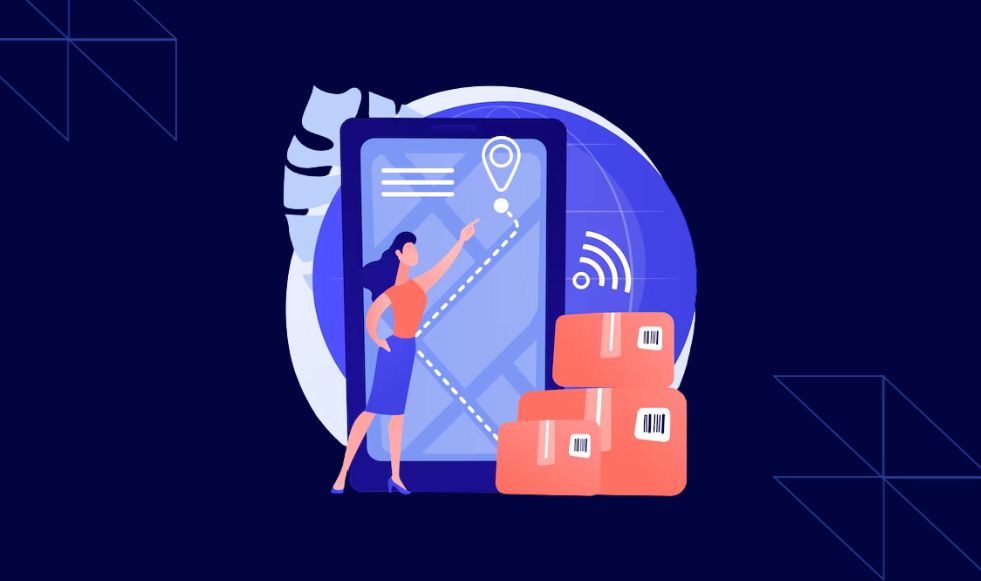
Email support (also known as email helpdesk) is a customer assistance touchpoint. Through it, your business can connect with your customers and resolve their questions and queries. Here’s how the email answering service works:
- Your customers send an email about their problem or question to a specific business email address.
- The support team reads the email.
- They reply with the needed solution or information.
Email support services can be used for many purposes, such as:
- Answering questions
- Solving technical problems
- Helping with billing issues
- Tracking orders
- Handling other miscellaneous requests
A recent study found that about 88% of customers prefer email support while communicating with a brand. That’s why, in 2026, most D2C companies earning $5M+ revenue are hiring specialised email support service providers to reduce the chances of missing any customer email, minimise resolution times, and offer expert responses.
Pros of Email Support Services

1. Anytime, Anywhere Business Reach!
Through email support, your customers can reach you at any time without waiting for business hours. They can:
- Explain their issues in detail
- Attach documents or screenshots
- Send them at their convenience
Did you know? An AccuData white paper found that about 96% of boomers use email.
2. Clear Record of Communication
Every conversation through email is electronically stored, which creates a written record. This allows both your team and customers to track:
- Previous discussions
- Last solution offered
- Promises made
The benefit? Reduced confusion and easier follow-up on unresolved issues.
3. Better Personalization
Through emails, your agents can address customers in a more personal way, such as using their:
- Name
- Purchase history
- Preferences
A popular research found that about 77% of marketers use email to send personalised messages. The best part? Around 80% of customers prefer businesses that give them customised experiences instead of generic communication.
Cons of Email Support Services
1. Slower Response Time
Unlike phone or live chat, email support does not provide immediate answers. Customers may have to wait hours or even days for a reply. This causes frustration if the issue is urgent or time-sensitive.
2. Risk of Miscommunication
Emails lack tone and immediate clarification. As a result, messages can sometimes be misunderstood. Due to this:
- Customers may not be able to explain their problem clearly
- Support staff may misinterpret the request
The negative? It usually leads to back-and-forth communication and delayed resolution.
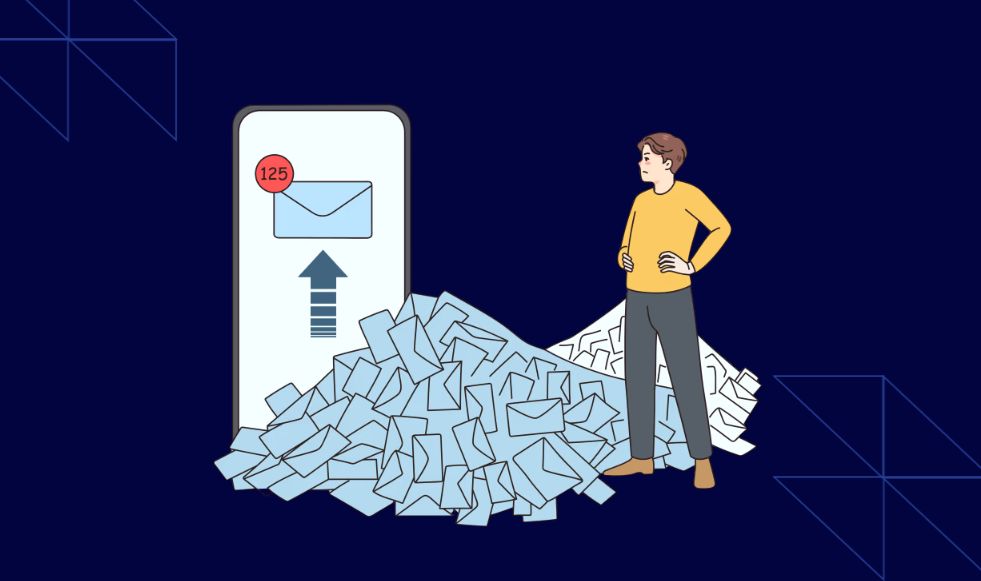
3. Overloaded Inbox Management
Are you a growing D2C company or consumer brand? There is a high chance you are handling a large volume of customer emails. Yes, it sometimes becomes overwhelming! If you are handling email support in-house without specialised software, your team might be missing important queries — leading to lower customer satisfaction and trust.
What is Live Chat Support?
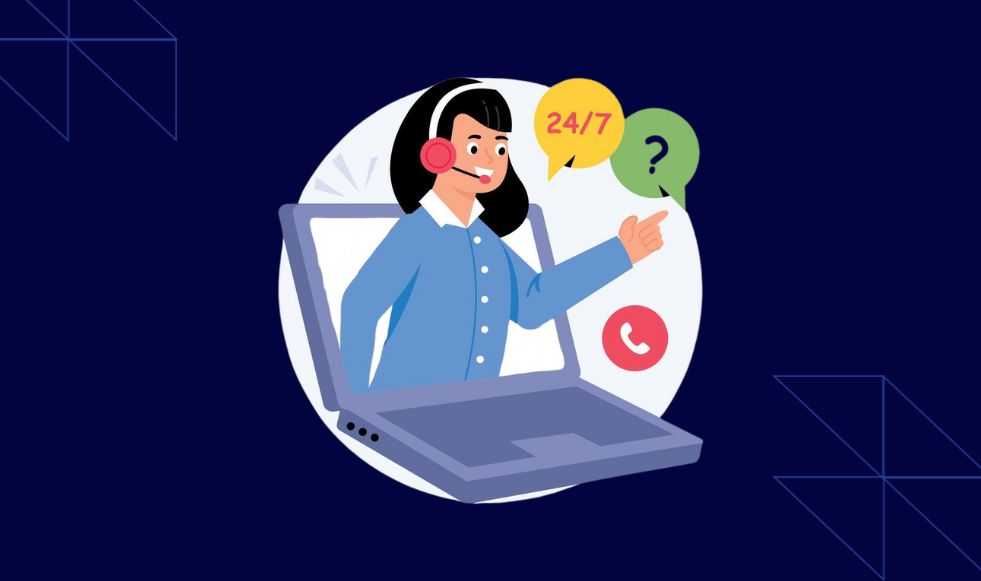
Besides email, live chat support is another customer touchpoint. It is a “chat box” on your website, mobile app, or support page. This chat box allows your customers to type their questions. Next, your support agent replies in real time.
This support channel allows your customers to get answers without making a phone call or waiting for an email. Nowadays, most VPs, directors, and senior managers of D2C companies operating in multiple regions — such as the US, UK, and Australia — prefer live chat support. It allows them to offer “quick help” while customers are browsing on their site or app.
Pros of Live Chat Support
1. Reduced Ticket Volume
With live chat, many customer questions are answered immediately within the chat itself. This prevents the need to create a separate “support ticket” for every small issue.
But are your customers happy? Yes — a recent Colorlib study found that about 87% of live chat conversations receive a positive rating.
2. Multichannel Integration
Live chat can work with other support methods, like:
- Phone
- Help articles (knowledge base)
By offering such omnichannel messaging solutions, you can allow your customers to switch between different channels without having to repeat their queries.
3. Minimise Resolution Times
Live chat connects customers and agents instantly — answers come much quicker compared to waiting for an email or phone queue. The benefits?
- Reduced delays
- Immediate problem-solving
- Higher customer satisfaction
Cons of Live Chat Support
1. Requires Constant Availability
Live chat demands agents to be online and ready to respond immediately. If your staff are unavailable, customers may leave the chat frustrated. This makes it harder for D2C companies and consumer brands with 5+ employees to run this channel with limited teams.
2. Difficult to Handle Multiple Chats
Most businesses require their agents to manage several conversations at once. This leads to mistakes or slower responses. Furthermore, complex issues may be harder to resolve in such a multitasking environment, which can significantly affect the quality of support.
3. Not Suitable for Complex Problems
Some customer issues require:
- Detailed explanations
- Multiple steps
- Technical troubleshooting
Live chat is not always the best channel for such cases! Lengthy discussions usually overwhelm both customers and agents.
Need omnichannel support — email + live chat — for your brand?
Atidiv is a trusted CX partner for D2C brands in the US, UK & Australia — 4.8 CSAT, 98% QA, 70+ global clients including Shoedazzle, JustFab, and Fabletics.
Email Support vs Live Chat Support: 6 Major Differences You Must Know in 2026
Email and live chat are both useful, but they serve different moments. Email is best for detailed and non-urgent issues. Live chat is best for quick questions while the customer is on your site or app. Here’s a direct comparison across six parameters:
| Parameter | Email Support | Live Chat Support |
|---|---|---|
| 1. Speed & Synchronicity | Asynchronous. Customers wait for a reply. Good for non-urgent requests and queued workflows. | Real-time. Agents respond immediately. Suits urgent queries during the customer journey. |
| 2. Best Use | Can handle long explanations, step-by-step guidance, and attachments. | Best for short questions, quick checks, and non-complex issues. Complex cases often move to email or a call. |
| 3. Staffing & Coverage | Work in batches. Non-active coverage. One person can progress many threads across the day. | Needs active coverage. Each agent can manage only a few chats simultaneously. |
| 4. Documentation & Traceability | Automatic audit trail in inbox/CRM. Easy to search, forward, and retain. | Transcripts exist but may be lost if not saved to CRM. Session closures can break history. |
| 5. Customer Effort & Experience | Emails can be sent anytime. No waiting in a queue. However, resolution may require back-and-forth. | Live chat offers instant resolution. But customers may abandon if the queue is long. |
| 6. Cost & Volume Management | Lower staffing pressure per hour. But there is a risk of growing backlog that can increase average resolution time. | Can reduce tickets by resolving them on the spot. But requires more live staffing during peak times. |
Why Email Is Still The King When it Comes to Complex Queries?
Studies show that about 83% of consumers still prefer to use email to communicate with a business, particularly for formal or detailed queries. In 2026, email remains the stronger choice when problems arise that require:
- Detailed explanation
- Several documents or attachments
- Sensitive or private handling
Here’s why email outperforms live chat for complex queries:
1. Space for Detailed Explanations
Email allows customers to describe their issue in depth. There is a lot of room for:
- Context
- Screenshots
- Documents
Agents can also provide structured step-by-step guidance, which is difficult to manage in the shorter format of live chat.
2. Clear Documentation and Audit Trail
Every email exchange creates a permanent written record. This makes it easier for both the business and the customer to:
- Revisit instructions
- Confirm commitments
- Escalate to higher support levels
A written record also protects both parties from legal issues that can arise later.
3. Your Team Gets More Investigation Time
Complex problems often need approvals or cross-team input before resolution. Since email support is not real-time, it allows your agents to:
- Pause
- Investigate
- Then respond thoroughly
In contrast, live chat demands immediate replies that can lead to incomplete or rushed solutions.
Offer Email + Live Chat Support To Your Customers! Hire Atidiv As Your Omnichannel Partner
Email and live chat are popular customer support channels. But each serves a different purpose! Email is ideal for detailed, complex, or documented queries. On the other hand, live chat works best for real-time questions during a customer’s journey.
In 2026, most growing D2C companies and consumer brands earning $5M+ revenue will try to provide omnichannel messaging solutions to their customers. A combination of email + live chat creates a “balanced support system” that offers both speed and depth:
- Live chat resolves instant concerns
- Email manages issues that need careful follow-up and records
Are you looking to set up omnichannel support in 2026? Atidiv is a leading digital customer experience solutions provider with 15+ years of expertise and 70+ global clients, including Shoedazzle, JustFab, Fabletics, FreshClean Threads, and more.
Additionally, Atidiv also offers technical support for email issues. Our expert team can resolve several problems your agents might face, such as:
- Not able to send or receive messages
- Login errors
- Password resets
- Spam or security concerns
- Set up problems on devices
Want to learn how Atidiv can help you? Book your free consultation today!
Email Support vs Live Chat Support FAQs
1. Email support vs. live chat support. What should I choose for my small business? +
It depends on your business requirements. Be aware that email is better for detailed or complex issues, while live chat helps with quick questions during browsing or checkout. Many growing D2C companies and consumer brands use both to offer omnichannel support to their customers.
2. How much staffing do I need for live chat support? +
Live chat requires real-time responses! So you need agents available during business hours. Depending on customer volume, each agent can handle only a few chats at once. If you have limited staff, start with peak hours or combine with email support. Alternatively, you can outsource to leading customer experience solutions agencies, like Atidiv.
3. Is email support outdated in 2026? +
No, email is still important and preferred in 2026. A recent study found that about 62% of consumers preferred it over phone and live chat support. Customers typically use it for formal communication, complex queries, and cases that need attachments or documentation. Live chat may handle instant questions, but email remains the preferred channel for detailed problem-solving and record-keeping.
4. How can email + live chat work together? +
Live chat can capture customer queries initially and try to resolve them on the spot. However, if the issue is complex, the conversation can be transferred to email for detailed investigation. Such an integration allows your team to not miss any customer concerns, make thorough research, and offer the best resolutions.
5. Can I use email as a marketing channel in 2026? +
An AccuData white paper research found that about 55% of customers have purchased a product or service through an email marketing message. When done the right way, emails can support your sales and let you win more customers.
